
Study Abroad
Study in Malta: Your Gateway to Europe's Hidden Mediterranean Gem
Discover EU-recognised degrees, an English-speaking environment, realistic costs, and genuine work options on a safe, sunny island nation in the heart of the Mediterranean. Whiteboard Consultants helps Indian students turn Malta into a launchpad for global careers.
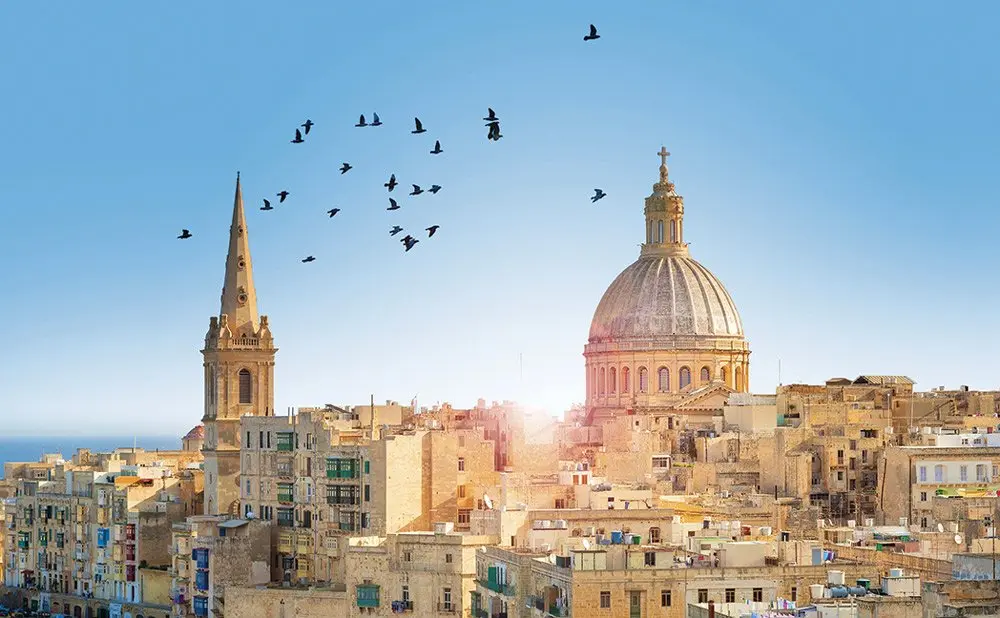
Why Study in Malta?
Explore why Malta is becoming a smart, emerging choice for Indian students who want an EU education with practical work options and a comfortable lifestyle.
Top Universities & Institutions in Malta
Key higher education providers in Malta that attract international students, including many from India.

University of Malta

MCAST (Malta College of Arts, Science and Technology)

Global College Malta

GBS Malta (Global Banking School Malta)

Institute of Tourism Studies (ITS)
Admission & Costs for Studying in Malta
Entry requirements and costs vary between institutions and programmes. Always verify exact criteria on the official institution website before applying.
- Typically 50–60% or above in Class 12 from a recognised board; some competitive programmes may expect 65–75% or higher.
- Many programmes expect IELTS 5.5 (no band below 5.0) or equivalent scores in PTE/TOEFL/Duolingo.
- SOP explaining your academic and career goals and Letters of Recommendation where applicable.
- A clear explanation of any study/work gaps.
- Undergraduate tuition fees€4,500 – €11,000 per year
- Postgraduate tuition fees€5,000 – €18,000 per year
- Living expenses€750 – €950 per month
- Health insurance€300 – €600 per year
- Typical first-year outlay (mid-range)€14,000 – €16,000
*Costs are approximate planning estimates and may vary based on institution, city area, lifestyle choices and currency fluctuations.
Your Malta Study Abroad Timeline
Timelines for Bachelor and Master applicants are similar but not identical. Use the toggle to switch between Undergraduate (UG) and Postgraduate (PG) application routes.
Planning Phases
12-15 Months Before Intake
Research & Exploration
- Explore Malta as a destination alongside options like the UK, Ireland, Germany and New Zealand.
- Understand MQF Level 6 Bachelor options that match your stream (Science, Commerce, Arts).
- Discuss budget and preferred intakes (September / February) with your family and counsellor.
- Start preparing for IELTS/PTE/TOEFL if needed.
Malta Student Visa Guide for Indian Students
Most full-time students heading to Malta apply for a National D Visa (long-stay) for study. A well-organised visa file improves your chances of smooth approval.
Key Documents Checklist (Indicative)
- Completed and signed National D visa application form.
- Valid passport with sufficient validity after course start date and copies of all used pages.
- Recent passport-size photographs as per specified guidelines.
- Official offer or enrolment letter from a recognised Maltese institution with details of course, duration and fees.
- Proof of tuition fee payment or deposit as required by the institution.
- Academic documents: Class 10, Class 12 and degree mark sheets and certificates with translations/apostilles where required.
- Bank statements and balance certificates (typically 3–6 months) demonstrating funds for tuition and living costs.
- Sponsor documents if applicable: sponsorship letter, relationship proof, income proofs and tax returns.
- Evidence of acceptable funds such as savings accounts, fully sanctioned education loans and eligible fixed deposits.
- Medical and travel insurance with coverage (often at least €30,000) valid for Schengen and study period.
- Accommodation proof for initial stay (hostel, hotel booking, lease agreement or provider letter).
- Flight itinerary aligned with the course start date and visa rules.
Typical Visa Process
Confirm Offer & Pay Deposit
Confirm your offer and pay the required tuition deposit to the institution.
Collect Documents
Gather all academic, financial and identity documents as per the latest checklist.
Book Visa Appointment
Book a visa appointment with the relevant embassy/consulate or VFS office.
Submit Application
Submit your National D visa application along with biometrics and supporting documents.
Respond to Queries
Respond promptly if the visa office requests any additional information or clarification.
Track Application
Track your application and wait for the decision.
Prepare for Departure
Once the visa is approved, arrange final travel and accommodation, and prepare for departure.
Malta is a member of both the European Union and the Schengen Area. Your long-stay student visa allows you to live and study in Malta, and your residence status also enables easier short-term travel within the Schengen zone for tourism and networking.
Visa applications typically require evidence of funds covering tuition and living costs, including bank statements (3–6 months), sanctioned education loans, and eligible fixed deposits. Medical and travel insurance with coverage of at least €30,000 is also commonly required.
Work Opportunities in Malta
Malta offers possibilities to work part-time during studies and to explore work options after graduation, subject to current regulations. Students should focus on academics first while using work opportunities strategically.
Graduates may apply for a post-study or job-search permission allowing them to stay in Malta for a defined period (often up to about 12 months) to look for work related to their qualification.
Once a full-time job is secured, students can typically apply to switch to a Single Work Permit linked to a specific employer, role and salary level.
Highly skilled roles in sectors like IT, engineering, finance and specialist technical areas may have priority or fast-track pathways with higher salary thresholds.
20
Hours/week during study periods
90
Days before work eligibility
Typical hourly pay: €6 – €9 per hour
Student Life & Resources in Malta
Beyond academics, Malta offers a relaxed Mediterranean lifestyle, a welcoming community and practical support services that make it easier for international students to settle in.
After roughly how many days in Malta can you usually begin part-time work, and what is the typical maximum hours per week during term time?
Ready to Start Your Malta Journey?
Get expert guidance for your education and career goals. Our experienced counselors are here to help you every step of the way.
Free consultation • Expert guidance • Personalized roadmap